
Chronic Pain & Health
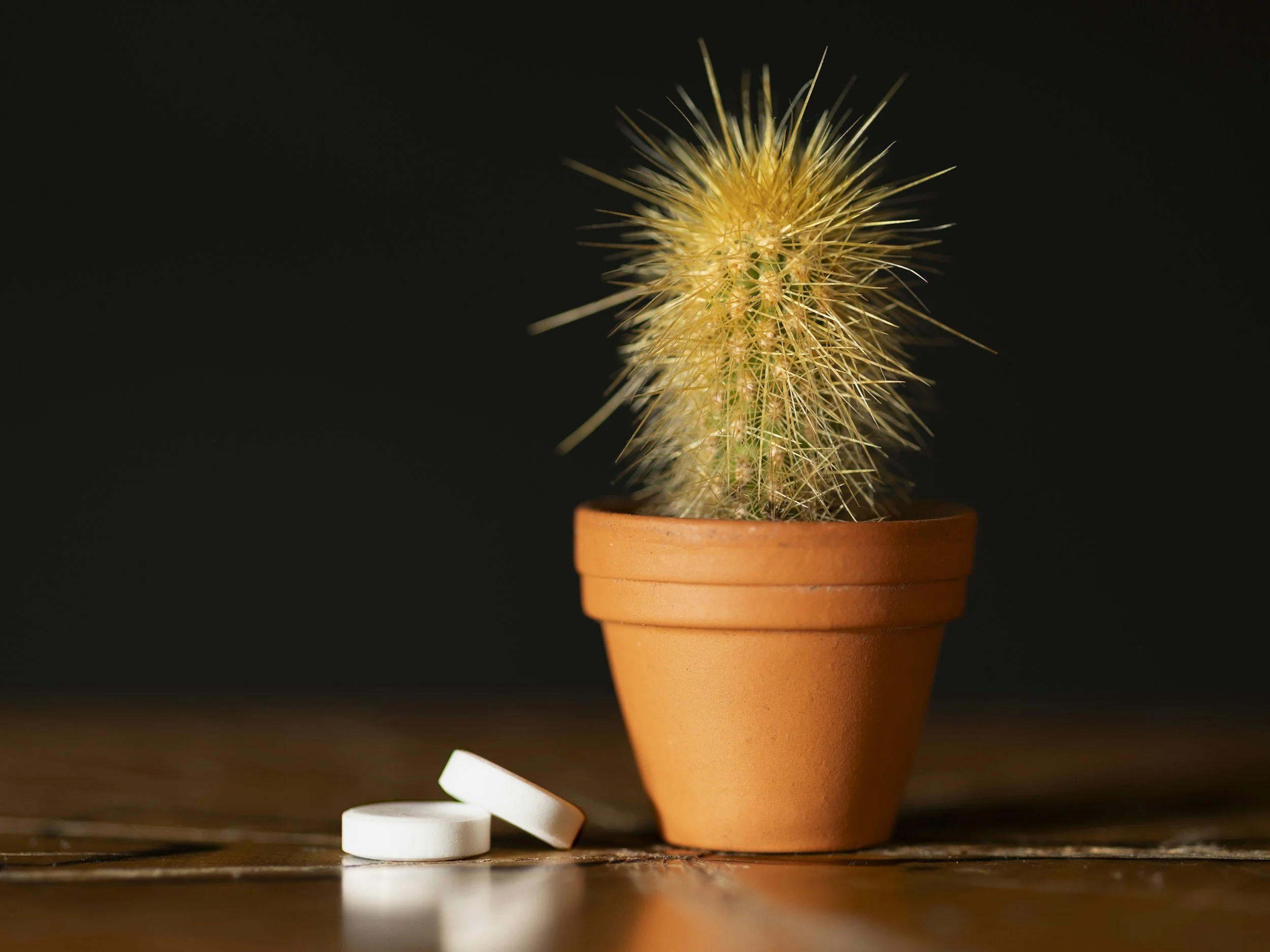
Chronic Pain, copyright Fer Troulik
Living with chronic pain or a health condition can shape how you move through daily life, how you relate to your body, and how you see yourself. It can also affect relationships, work, and what feels possible, sometimes shifting how you experience your roles as a partner, parent, friend, or family member.
You may find this shows up as frustration with your body, or as difficulty being understood by others, or as the strain of managing something that doesn’t have a clear resolution. You may also carry the impact of medical experiences that have felt confusing, dismissive, or inconclusive—searching for answers, not finding them, or feeling unheard. Over time, this can affect trust in your body, in the system, and in your own perceptions.
How We’ll Approach This Work
This work focuses on how pain or illness is experienced, both physically and emotionally, and how you are responding to it.
We may explore:
• The emotional and relational impact of living with ongoing pain or health concerns
• How sensations are experienced and interpreted in the body
• The impact of difficult or invalidating medical experiences
• What feels difficult to express, tolerate, or make sense of
• How you relate to uncertainty, limitation, and change
Attention is also given to the patterns that develop over time, including pushing through, withdrawing, or becoming highly vigilant to symptoms.
In practice, this often involves developing a different relationship to what is happening in your body, while also identifying ways of responding that feel more sustainable. Where relevant, this can include working with the effects of stress, trauma, or learned pain responses, as well as approaches that support greater ease and flexibility in how pain is experienced.
This work is informed by approaches to trauma and the body (e.g., Bessel van der Kolk), mindful approaches to pain (e.g., Darlene Cohen), and contemporary pain reprocessing models (e.g., Howard Schubiner; Alan Gordon).
What This Work Can Support
• A more workable relationship with pain or physical limitation
• Reduced reactivity to symptoms and fluctuations
• Greater clarity around what is needed, both internally and in relationships
• More sustainable ways of pacing, responding, and making decisions
• A sense of steadiness, even when circumstances remain uncertain
The focus of this work is not on eliminating pain, but on how you live alongside it.
With time, this can support a way of engaging with your life that feels more flexible, more intentional, and less defined by the condition itself.